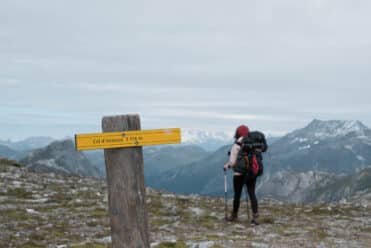


A Date with the Albaron
It's 3 a.m. when the alarm goes off. As is often the case in mountaineering, the day begins while the mountain is still asleep.
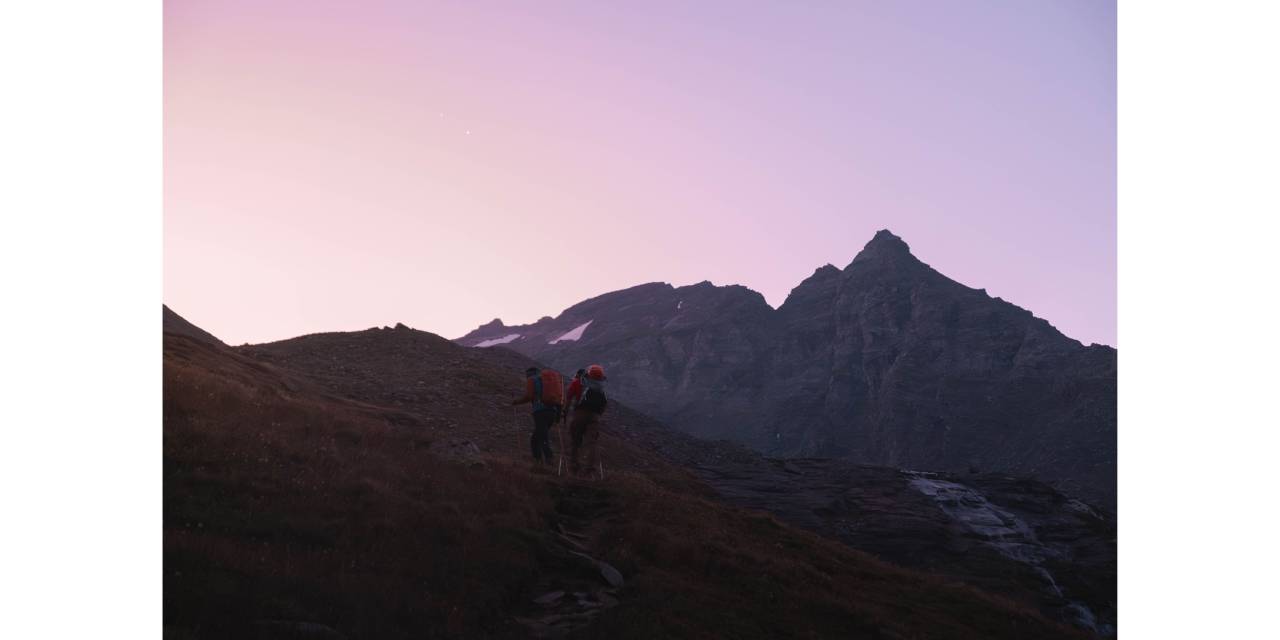
In the twilight above Avérole, we turn on our headlamps. Our movements are automatic: putting on layers of clothing, checking our gear, grabbing our backpacks. Outside, the sky is clear. The stars shine above the peaks of Haute Maurienne. Everything seems to point to a great run.
Today's destination is called Albaron.
The Albaron, a giant of the Grées Alps
At an elevation of 3,637 meters, the Albaron towers over the villages of Bessans and Bonneval-sur-Arc. Its imposing silhouette catches the eye of everyone who visits the area.
It is a renowned peak, both in summer and winter, offering a complete immersion in the world of high-altitude mountaineering. Glaciers, high altitude, roped ascents, and exceptional panoramic views: in short, the Albaron has everything to make your dreams come true.
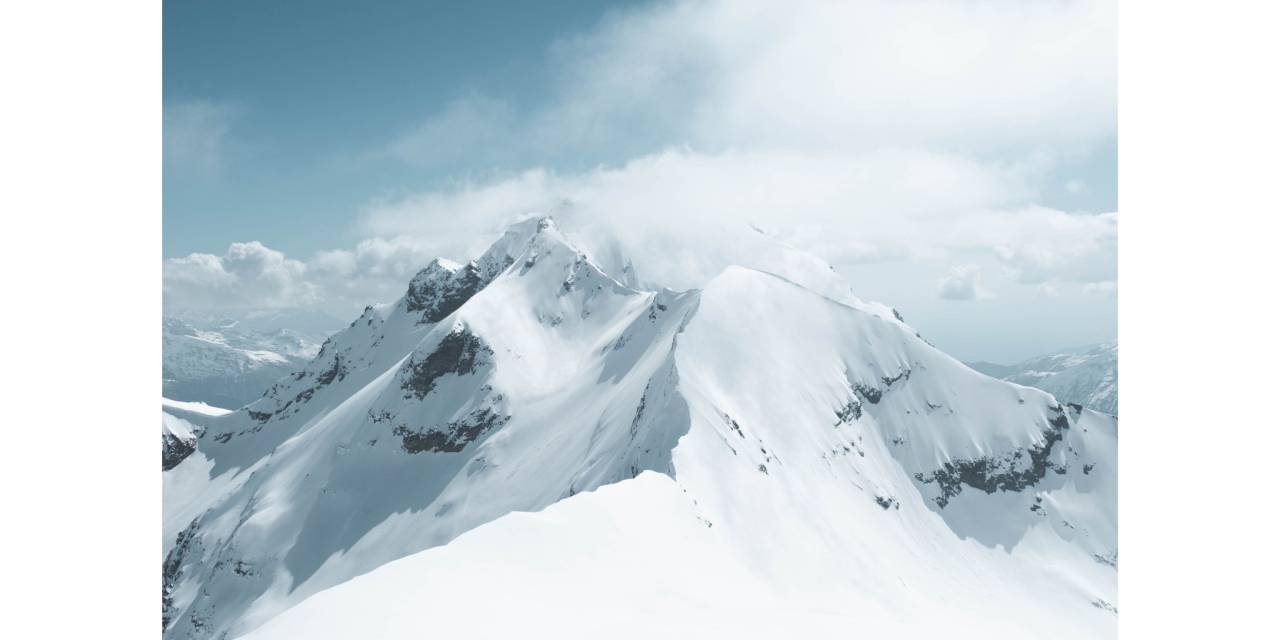
After a winter climb up this peak—you can read the account of it right here—I can’t wait to tackle it again in the summer, via the Bessan side.
The First Signs
The first few hours pass without incident. The beams from our headlamps slowly cut a path through the darkness.
The silence is almost complete, broken only by the steady sound of footsteps on the trail and the clinking of gear attached to the harness.
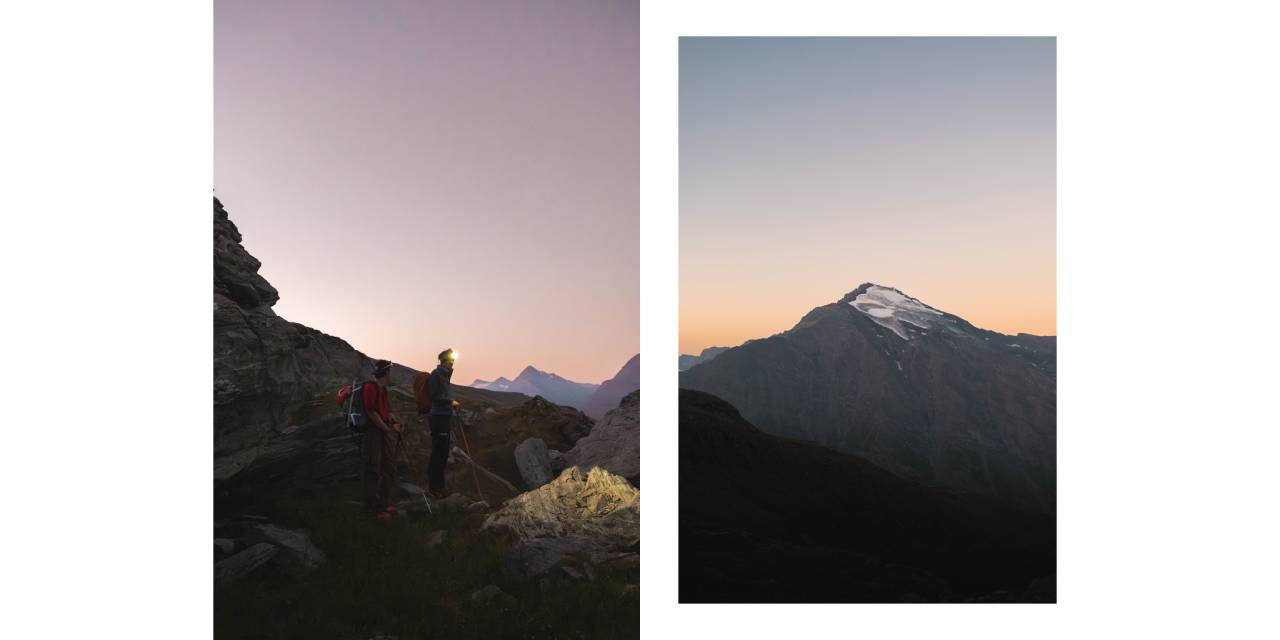
As the day breaks, the glaciers gradually come into view. The peaks take on shades of orange and then pink.
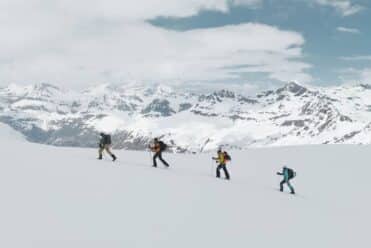
As is often the case in the mountains, the view is breathtaking. The majestic Charbonnel gradually comes into view and accompanies us as we make our way forward.
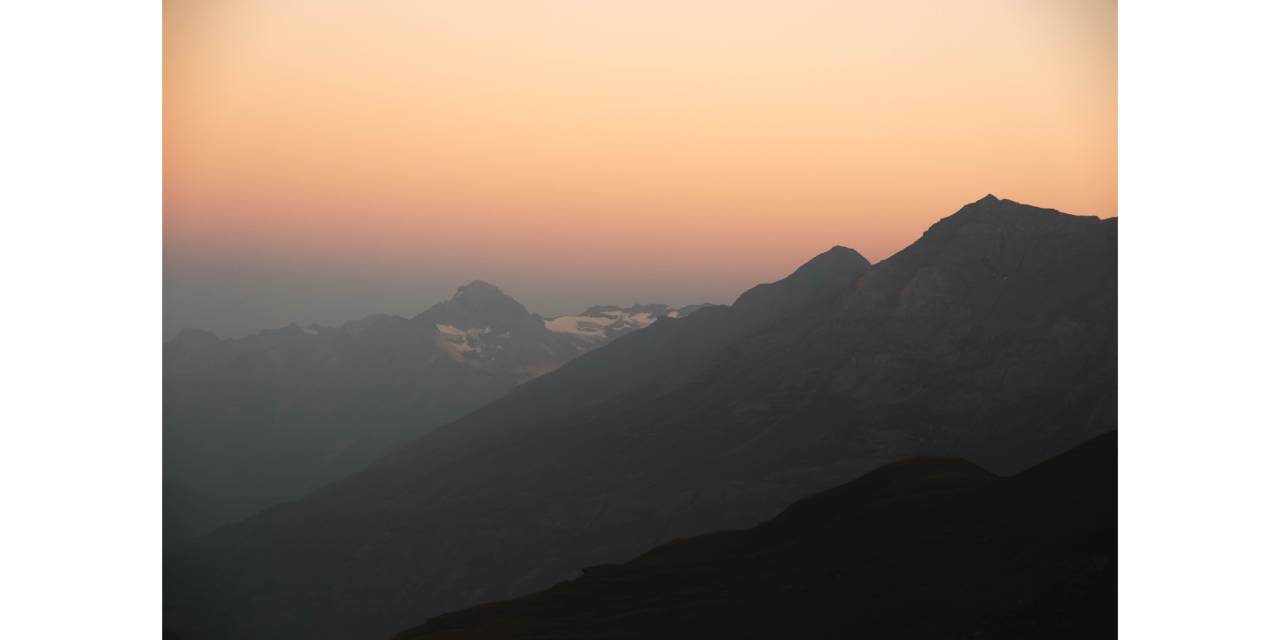
Yet something isn't right.
At first, it’s just a vague feeling. An unusual lack of energy. Fatigue that seems to set in too early in the day. I tell myself it’ll pass.
But kilometer after kilometer, meter after meter, the sensation grows stronger.
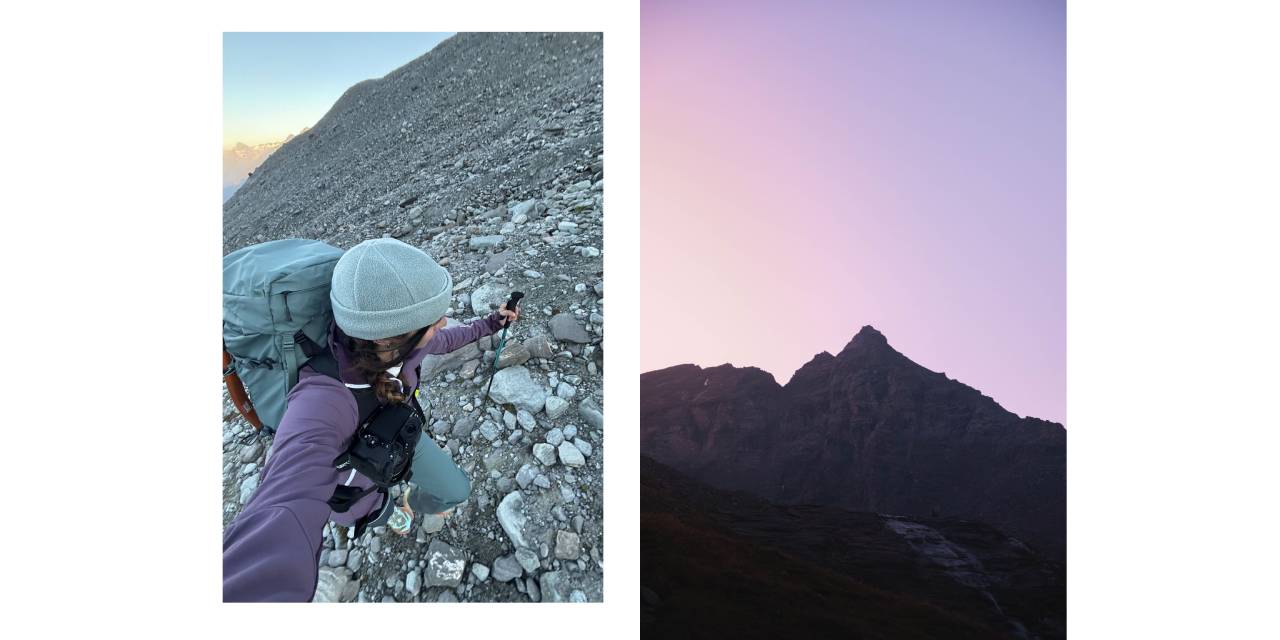
When Your Body Says No, Know When to Let Go
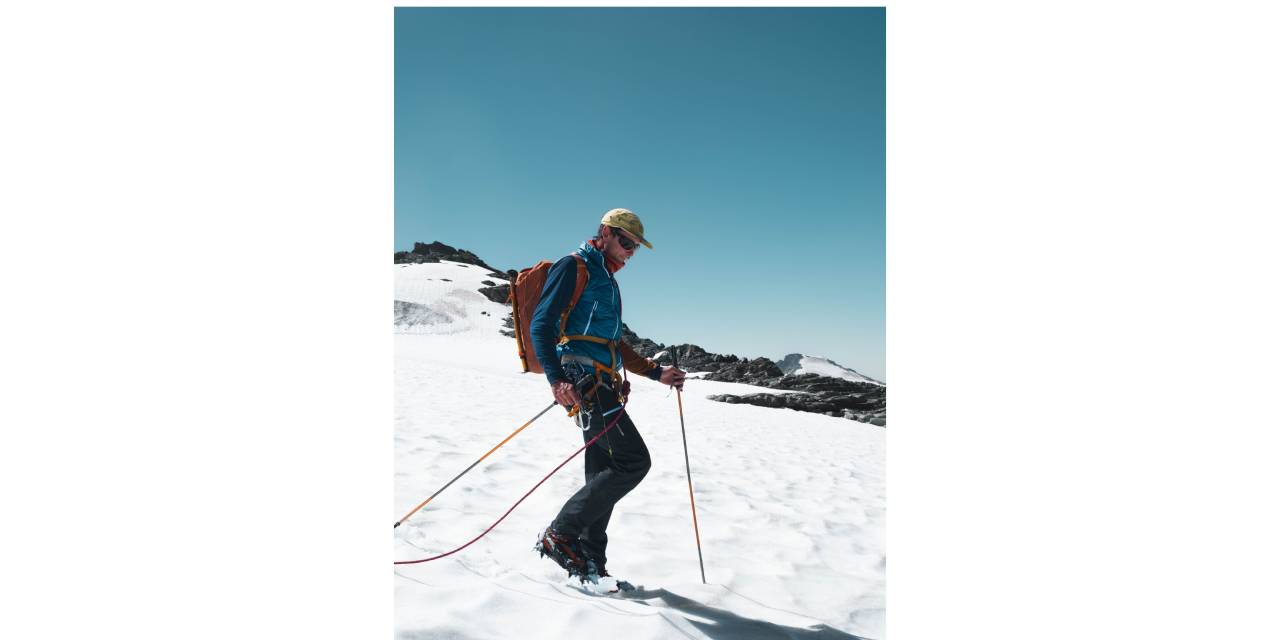
On the glacier, every step becomes harder. My legs seem to be gradually losing their strength. I’m struggling to catch my breath. I’m taking more frequent breaks. Where I usually move with ease, I now have to fight to maintain a decent pace.
A bout of fatigue, the onset of an illness…
Whatever the reason, the facts are clear: I'm not in good enough shape to meet today's goal.
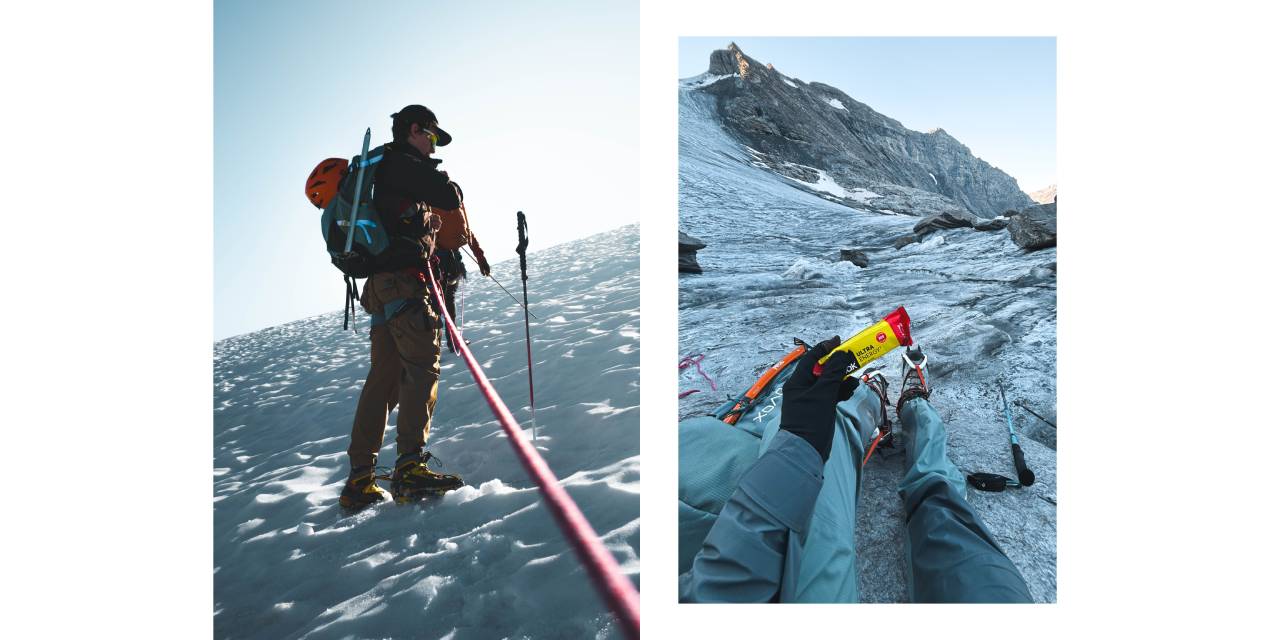
We struggle our way through the final few meters of the climb. Despite our exhaustion, we’re eager to keep going.
Because we want to believe in it. Because we’re already in the race. Because the summit is there, somewhere above us.
But those last few meters of the Albaron aren’t easy to conquer. The climb becomes more technical. You have to use your hands. Climb. Haul yourself up over boulders. Maintain precision in your footing and stay focused on every move.
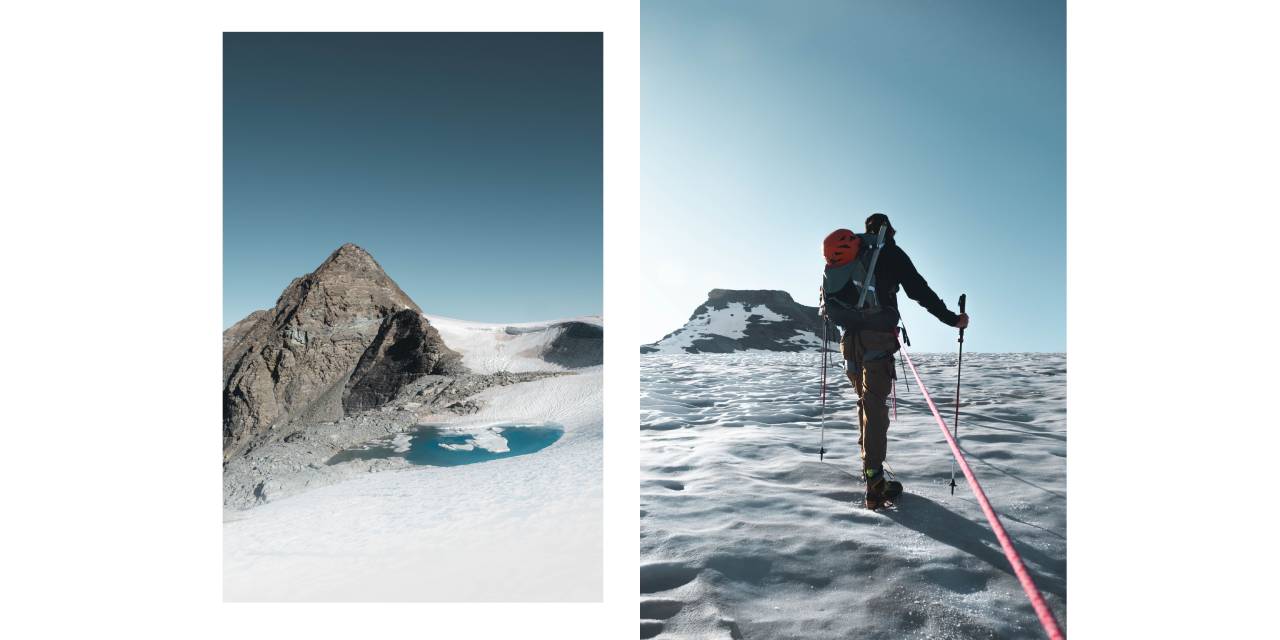
Giving up when you're at the foot of the mountain is relatively easy.
Giving up when there are still several hundred meters of elevation gain left is even harder.
But giving up when the summit is right there, just a few dozen meters away, is a whole different story.
Ego comes into play. We think about the hours of walking. About the preparation. About all the effort we’ve already put in. We tell ourselves it would be a shame to give up now. We look for excuses to keep going.
Yet, deep down, the answer is already there. When you no longer have the necessary resources, you make the only reasonable decision: to turn back.
The Lesson of the Albaron
At the time, the frustration was overwhelming. A few meters. A few dozen meters at most. It’s not much. And yet, it was too much that day. Looking back, I realize that this day is probably one of the ones that taught me the most about the mountains.
Mountaineering isn't a sport where you win simply by reaching the summit. Mountaineering is a sport where you win because you know how to make the right decisions.
The mountains rarely reward pride. They reward humility all the more. Knowing when to give up is not a sign of weakness. It is a sign of clarity.
It means accepting that a summit is never worth putting one's safety at risk.
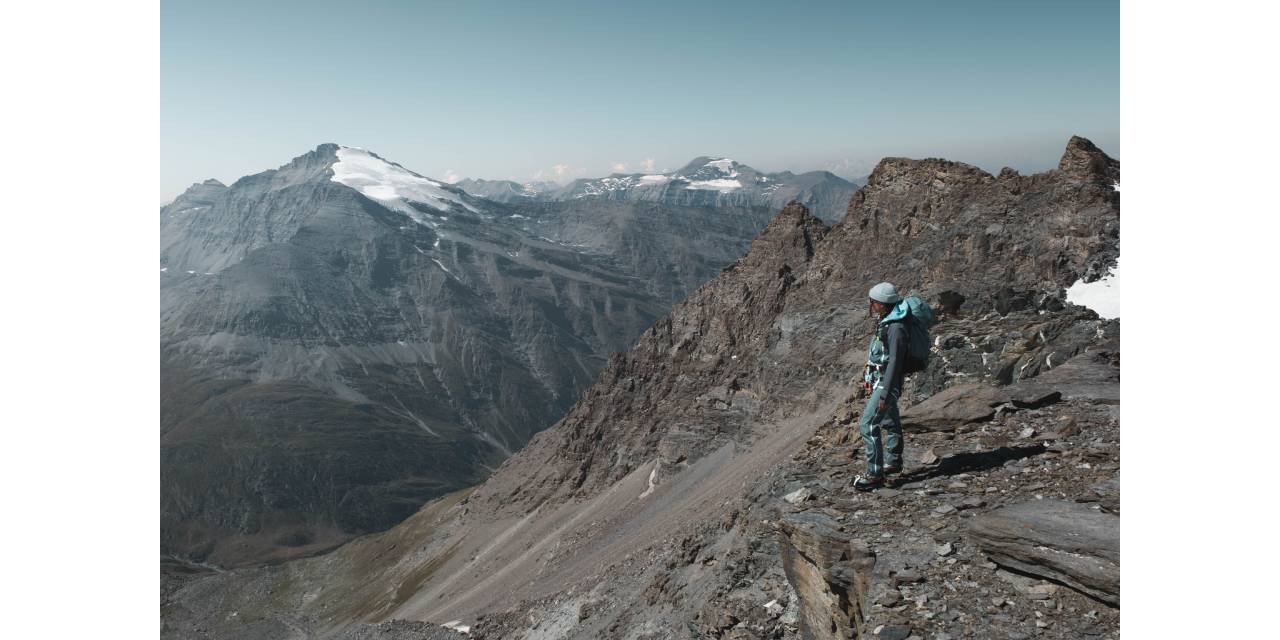
The Albaron is still there, towering over Bonneval-sur-Arc. But on that occasion, the mountain taught me a lesson other than that of success. It reminded me of the value of letting go.
And sometimes that lesson is worth far more than a summit.
Mountaineering: A Lesson in Humility
Mountaineering is often seen as a quest to reach the summits. In reality, it is first and foremost a lesson in decision-making. Whether traversing a glacier, climbing at high altitude, navigating changing weather conditions, or tackling rocky or snow-covered terrain, every climb requires a constant assessment of the conditions and one’s own abilities.
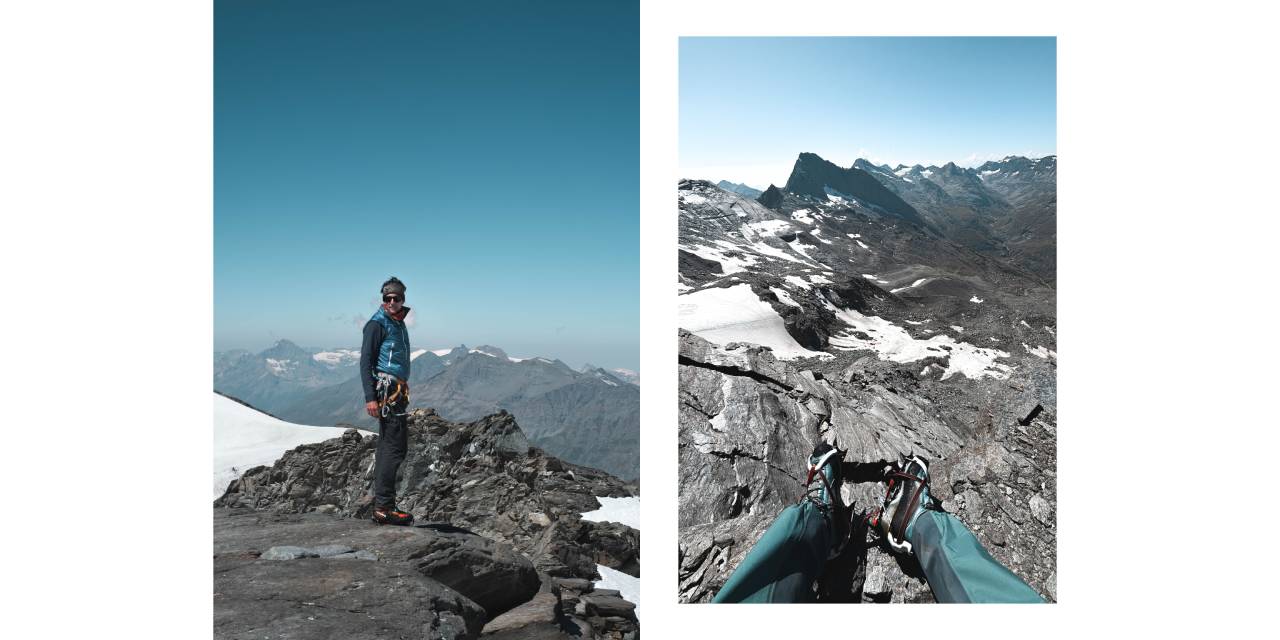
One of the fundamental rules of this sport is simple: no peak is worth taking excessive risks for. The best mountaineers aren’t the ones who succeed in every climb, but those who know when it’s time to turn back.
Because in the mountains, true success isn't about reaching the summit. It's about being able to come back and try the adventure all over again.
From Bonneval to Bessans via the Albaron: 3 days of spring skiing
Mountaineering: the ascent of pointe francesetti